In the context of the Industry 4.0 unfolding across the globe, automation and artificial intelligence have become key drivers transforming the way businesses produce, manage, and operate. Amid this wave of development, the field of Mechanical Automation – an integration of traditional mechanical engineering and modern control technology – is emerging as a strategic discipline, receiving significant investment in training and development in many countries, including Vietnam.
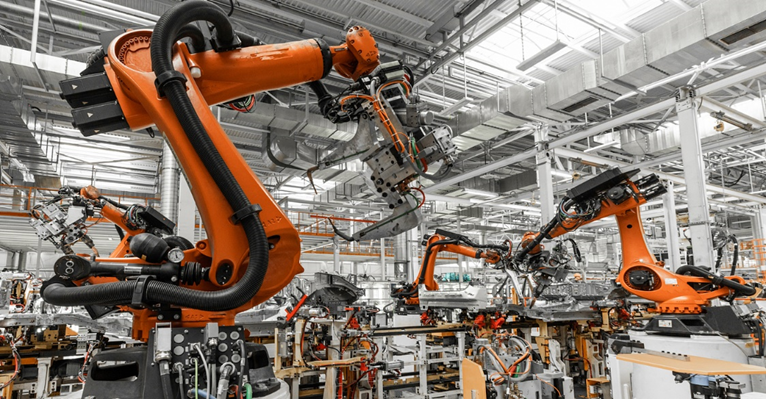
The Advanced Program in Mechanical Engineering (APM), under the approved by the Ministry of Education and Training of Vietnam, was launched as a breakthrough initiative to meet the demand for integration and to train high-quality human resources in accordance with international standards. This program is imported in its entirety from the University at Buffalo, part of the State University of New York (SUNY) system in the United States – one of the nation’s leading public universities known for its strength in engineering and technology.
Rather than being limited to a traditional technical field, the Mechanical Automation major under the Mechanical Engineering Advanced Program combines interdisciplinary knowledge of mechanics, electrical and electronic engineering, control programming, sensors, and information technology. This approach enables the creation of intelligent manufacturing systems that operate automatically, precisely, and efficiently.
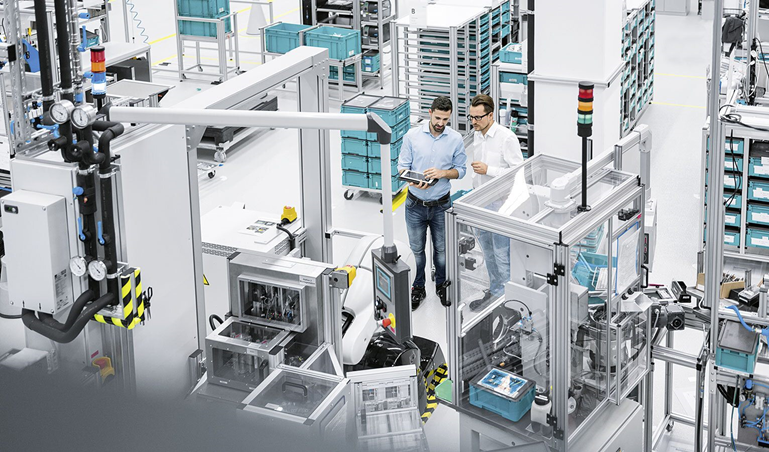
A highlight of the program is that the entire curriculum, textbooks, and teaching methods follow U.S. standards, with English as the medium of instruction. Students in the program will be equipped with comprehensive knowledge of mechanics, automatic control systems, industrial robotics, PLC programming, sensors, logic control, microcontrollers, IoT technology, and AI applications in manufacturing.
Another significant advantage of the program is its highly qualified faculty, consisting of PhDs, Professors, and experts who have been professionally trained abroad. They are capable of teaching in English and continuously updating their knowledge with the latest technological advancements. The modern learning environment emphasizes practical skills, group projects and professional development, helping students not only become technically proficient but also confident, proactive, and creative in various circumstances. Soft skills such as communication in English, teamwork, technical project work, and critical thinking are also emphasized and integrated throughout the curriculum. As a result, graduates can quickly adapt to professional working environments and global integration.
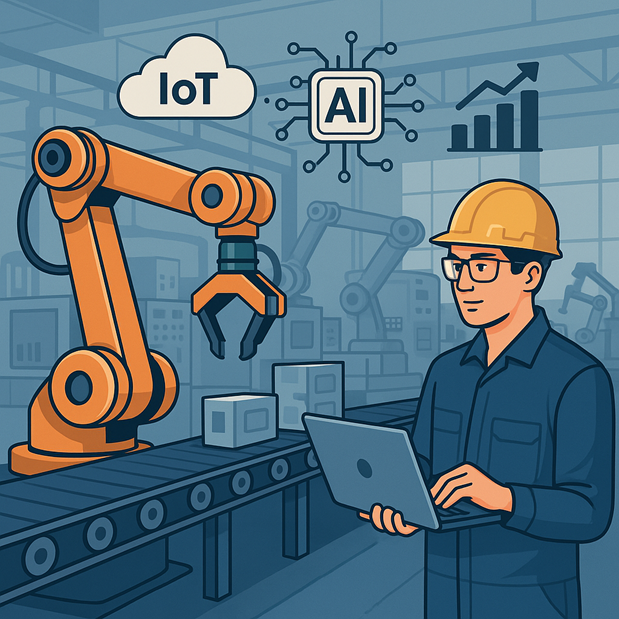
Moreover, the program offers students favorable conditions to participate in academic exchange programs and internships with domestic joint-venture companies or in other developed countries through a rich international collaboration network. Many students have continued on to pursue higher education in the U.S., Germany, Japan, and South Korea, or have taken up positions at multinational tech corporations with competitive salaries.
Upon graduation, students can work in positions such as automation control engineers, mechatronic system integration engineers, programming engineers, production line design engineers, or specialists in monitoring, operating, and maintaining automated systems. Employment opportunities are diverse, ranging from the automotive, electronics, machinery manufacturing, energy, and aerospace industries to logistics and many other sectors currently undergoing digitalization and automation.