General Introduction
The advanced program in Electrical Engineering (AP in EE) is imported from the successful model of the Electrical Engineering program at the School of Electrical and Computer Engineering, Oklahoma State University, USA. This program not only inherits the advanced educational achievements of Oklahoma State University but also integrates various learning resources from other leading universities worldwide, aiming to provide students with a solid and modern knowledge foundation in the field of Electrical Engineering.
History and Development
The advanced program in Electrical Engineering was approved by the Minister of Education and Training under Decision No. 7581/QĐ-BGDĐT on November 29, 2007. Since its inception, the program has attracted the interest of many students and has enrolled 15 cohorts. Among them, 10 cohorts have completed the training program, totaling hundreds of graduates. The program has been awarded the Certificate of Quality Accreditation for the educational institution, meeting educational quality standards according to Decision No. 116/QĐ-KĐCLGD dated December 11, 2017, issued by the Center for Educational Quality Accreditation – Vietnam Association of Universities and Colleges. Notably, by 2024, the program has been certified to meet the international AUN-QA standards by the ASEAN University Network, affirming the quality of its training.
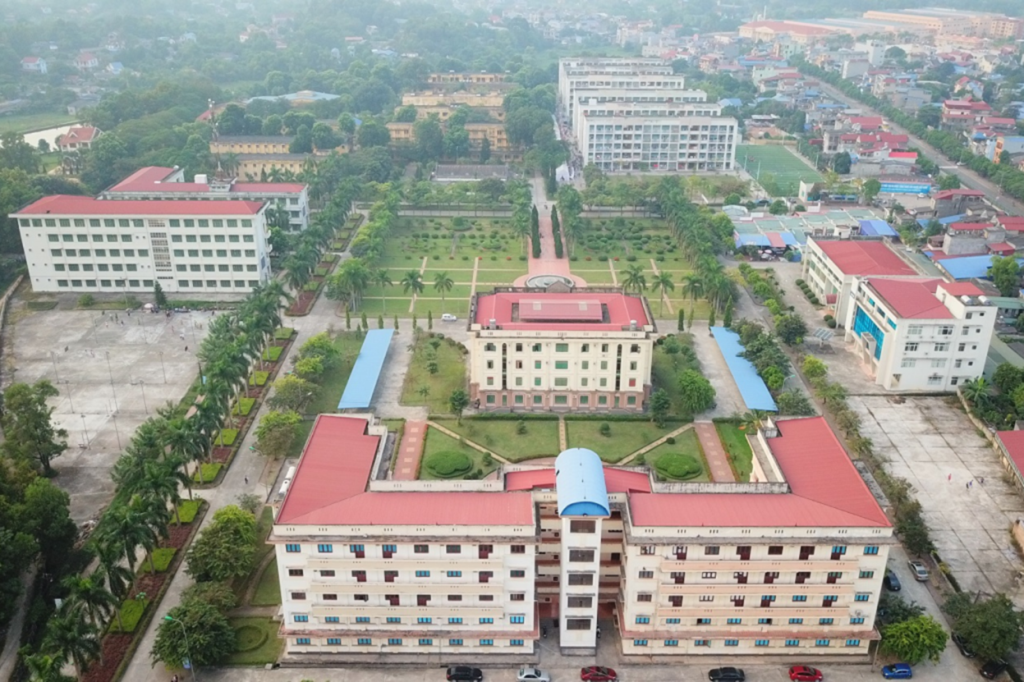
Fig.1. The TNUT campus
Training Objectives
The program is designed to train engineers in Electrical Engineering who possess solid knowledge in social sciences, politics, and law, along with foundational technical knowledge and deep expertise. Students will be equipped with critical thinking, analytical, synthesis, and practical skills. Additionally, the program emphasizes developing self-learning capabilities, communication skills, and the ability to work independently and in teams in rapidly changing work environments, including international settings.
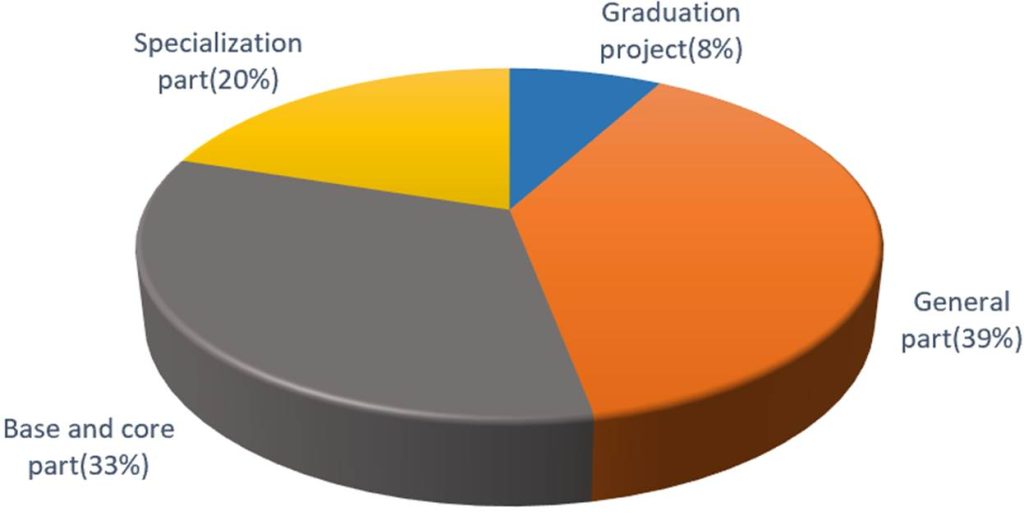
Fig. 2. The knowledge groups in curriculum
Training Methodology
The training program is organized according to a credit system, with 100% of specialized subjects taught in English. The teaching staff consists of highly qualified professionals who are fluent in English and have been trained or instructed in the USA and other countries with advanced educational systems such as USA, France, England, Netherlands, Germany, Japan, South Korea, Taiwan… This not only helps students access the latest knowledge but also allows them to familiarize themselves with modern and international teaching styles. Furthermore, the program consistently focuses on training and developing management human resources and teaching staff according to short-term, medium-term, and long-term plans to keep pace with new trends and meet the growing training demands of society.
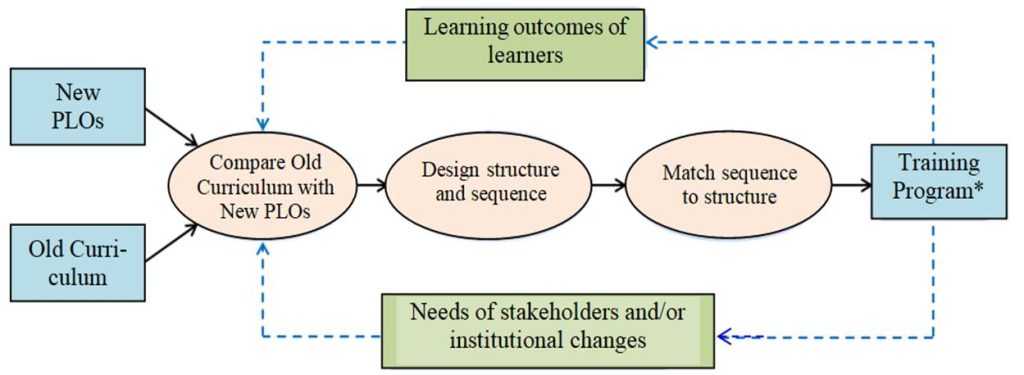
Fig. 3. The Advanced Electrical Engineering Program development process
Facilities
The program is fully equipped with facilities to support training and student learning. Specifically, it provides a complete system of classrooms, research rooms, seminar rooms, and self-study rooms for students. The classrooms are constructed according to technical standards, ensuring adequate space and lighting, and are equipped with various teaching aids such as multimedia classrooms and computer labs with 24/7 internet access.
The laboratory system is fully equipped with necessary devices and facilities for conducting experiments and product development, including physics labs, electrical and electronic labs, automation labs, power electronics labs, and control measurement labs. The library is spacious and modern, equipped with comprehensive facilities and regularly updated materials to serve the teaching and learning needs of faculty and students. The library has a rich collection of materials and textbooks, along with computer systems for accessing digital learning resources. The library management software is effectively utilized for storage and management processes. Teaching materials and reference documents are fully prepared to meet students’ reading and research needs.
The infrastructure and equipment serving the program are regularly maintained, repaired, replaced, supplemented, and developed to meet the increasing enrollment scale. In the near future, new lecture halls will be constructed to provide more modern classrooms, and new laboratories will be put into operation, such as semiconductor technology labs and IoT labs, to further enhance training quality.
Learning Activities and Real-World Experience
The program emphasizes not only theoretical knowledge but also provides opportunities for students to participate in internships and real-world experiences at factories, companies, and multinational corporations. Students will have the chance to travel to many countries around the world through international student exchange programs, international summer camps, and participation in scientific conferences and workshops. These experiences help students enhance their professional skills while broadening their perspectives and communication abilities in an international environment.
Employment Opportunities and Postgraduate Studies
With a bachelor’s degree in Electrical Engineering from the advanced program, students can confidently apply for high-paying positions in domestic and international corporations. The training program provides students with a significant competitive advantage due to their proficiency in English and knowledge of advanced techniques in the field of Electrical Engineering. According to statistics, the employment rate for graduates immediately after graduation is 100%, with over 95% working in their trained specialties.

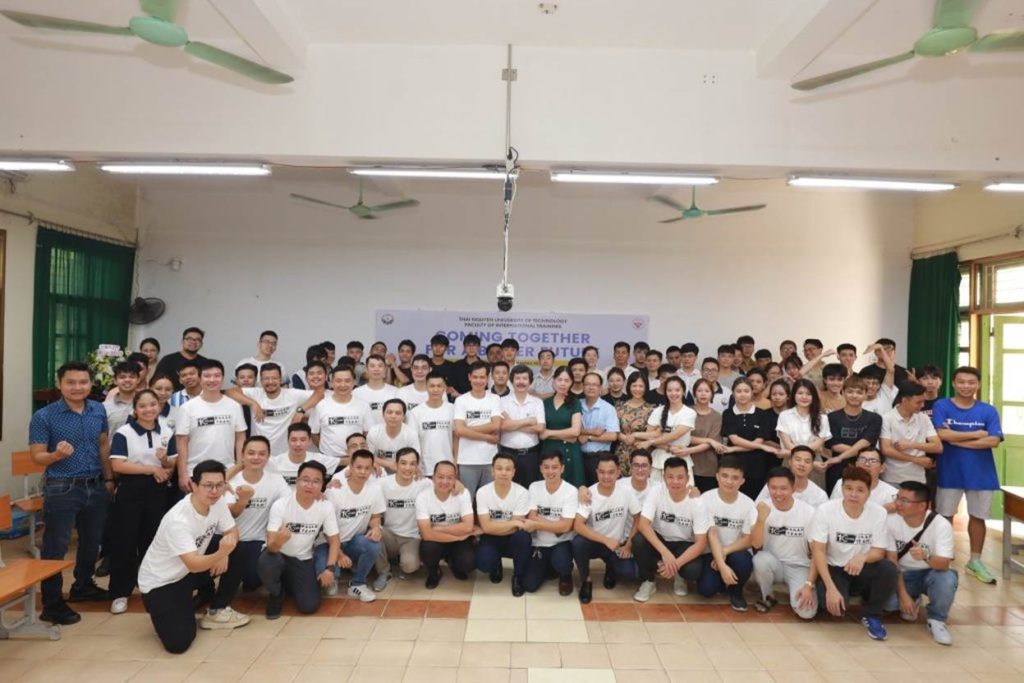
Fig.4. AP in EE student studying PhD Program in Taiwan
Additionally, many graduates from the advanced program in Electrical Engineering are pursuing advanced degrees such as Master’s and Doctorate in developed countries like the USA, Japan, Italy, Australia, South Korea, and Taiwan. A significant proportion of students from the program are also employed in large companies and corporations abroad, such as in Italy, Australia, South Korea, and Taiwan. This demonstrates that the training quality of the program is recognized not only domestically but also highly regarded internationally.
Conclusion
The advanced program in Electrical Engineering at the Thai Nguyen University of Technology – Thai Nguyen University not only provides students with a solid knowledge foundation but also opens up many attractive career opportunities both domestically and internationally. With strong investment in facilities, quality teaching staff, and rich practical experience activities, the program is committed to offering students the best learning experiences, helping them become excellent Electrical Engineering engineers who meet the growing demands of the labor market.